
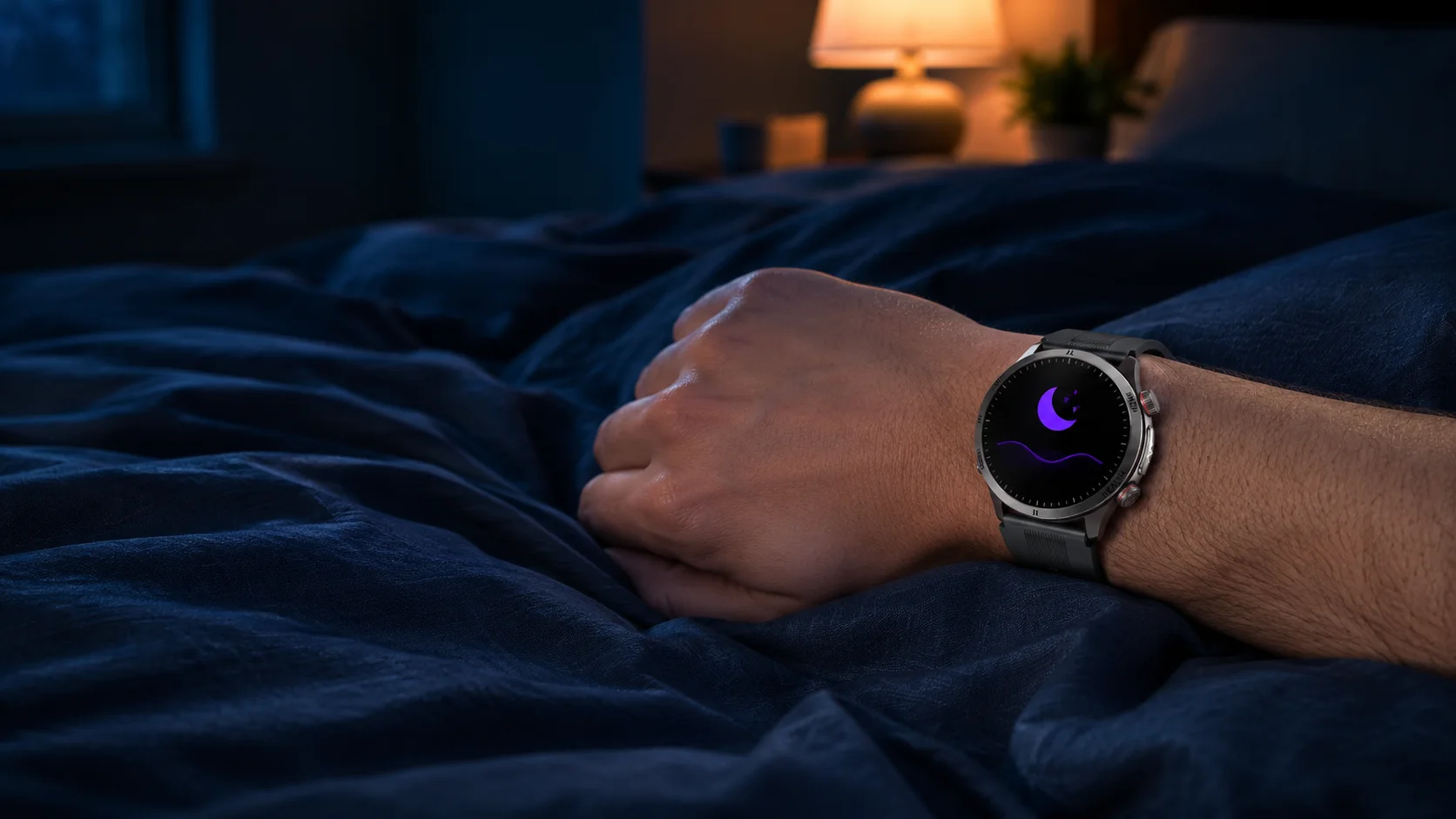
Consumers are questioning wearable sleep accuracy, and it is a useful conversation to have. A wearable can show a thoughtful picture of a night, but it cannot see every part of what you experienced while you were in bed. A quiet period can look similar to sleep. A restless moment can be brief enough to miss. And a single morning screen should never be asked to explain an entire night on its own.
At SAYDIAN, we think the most useful starting point is not a promise of perfect certainty. It is a better routine for noticing patterns. The SAYDIAN W8 offers a sleep schedule and nighttime-pattern view that can help you build that routine—especially when you read it with context from your own evening and morning.
Why wearable sleep accuracy is being questioned
The current discussion often begins with a simple question: can a device always tell the difference between sleeping and lying still while awake? It is a fair question because both situations can look quiet from the outside. If you are reading in the dark, listening to a podcast, or simply resting without moving much, the night may not fit a neat category.
That does not make a wearable view useless. It means the view is best treated as a reference, not a final verdict. Think of it as a record that becomes more useful when you compare it with your own recollection: When did you settle in? Did you wake up for a while? Was bedtime later than usual? Did the room or routine feel different?
For many people, that perspective is more useful than trying to make one number carry too much weight. A familiar routine and several nights of context can reveal more than an isolated screen ever could.
Start with the question you actually want to answer
Before opening the app, decide what you are hoping to learn. The question does not need to be complicated. You might want to notice whether your bedtime drifts later during a busy week. You may be curious about how often your nights follow a consistent rhythm. Or you may simply want a calmer prompt to reflect on the previous evening.
The W8’s sleep schedule and nighttime-pattern views give you a place to begin that review. Use the display as an invitation to notice, then bring in the details a watch cannot know: how you felt before bed, whether you spent time awake and still, and what made that night unusual.

Read patterns across several nights, not one perfect-looking screen
One unusually short or long night is part of life. Travel, a late meal, a new book, a noisy street, an early start, or a weekend plan can all change the shape of a night. That is why a multi-night view is usually more practical than reacting to a single entry.
Try a small check-in once a week. Look at the W8 view, then ask three plain questions: Was my bedtime roughly consistent? Do I remember being awake for a meaningful stretch? What was different in my routine on the nights that look unusual? Write down only what helps. The goal is not to turn bedtime into a project; it is to make the information easier to place in real life.
This approach also makes uncertainty less frustrating. If one night does not match your memory, make a mental note and move on. If a pattern repeats, you have a clearer reason to look at the habits around it.
Give quiet awake time its proper context
Stillness is not always sleep. That is the central limitation behind much of the wearable sleep accuracy debate, and acknowledging it leads to better use. If you commonly unwind motionless before drifting off, avoid assuming every quiet minute belongs to the same part of the night.
Instead, add a little context to the record. If you read for twenty minutes in bed, remember that when you review the next morning. If you woke early but stayed relaxed under the covers, keep that detail in mind too. Your lived experience remains the most important companion to the screen.
The W8 is designed to fit into this kind of perspective-first routine. Its round display puts the sleep view at the wrist, while the companion app provides a larger place to revisit nighttime patterns. The value is in making a regular reflection easy to return to—not in replacing your own understanding of the night.
Make the evening simpler before you measure it
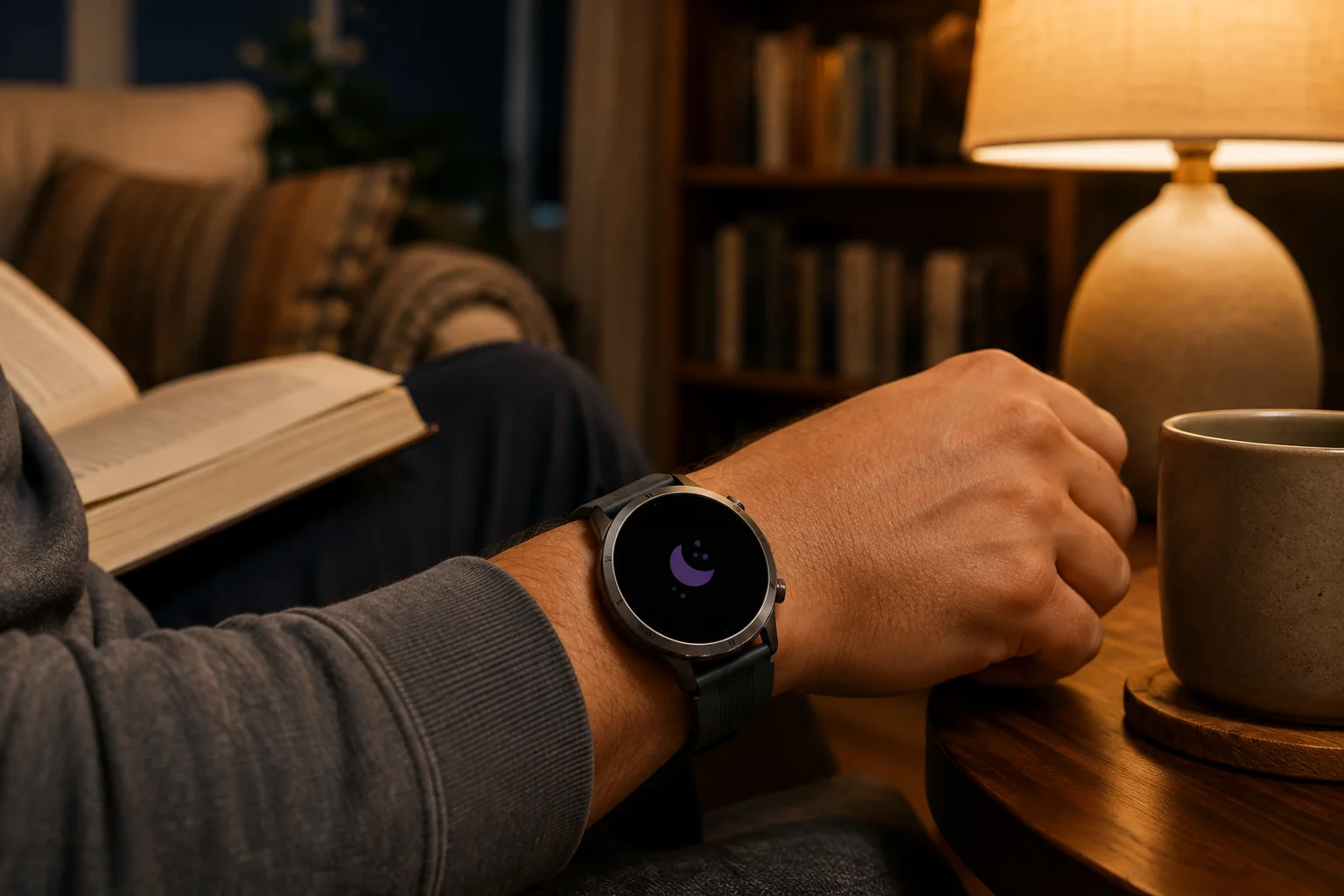
The clearest pattern often begins with a repeatable wind-down. Choose one or two cues that feel realistic: dim the room, set a book nearby, leave a little space between the final scroll and lights-out, or prepare the next morning’s essentials. Keep the routine flexible enough that you will actually use it.
Then let the W8 be part of the rhythm rather than the center of it. Wear it comfortably, charge it as needed, and review the sleep schedule when it serves your curiosity. If the screen makes you more anxious, step back from daily checking and return to a weekly review. A useful wearable routine should feel supportive, not demanding.
Use the W8 as one part of a more complete picture
Wearable sleep accuracy matters because people want information they can trust. The most grounded answer is also the most practical: use your device for patterns, pair those patterns with what you remember, and leave room for ordinary uncertainty.
With its sleep schedule and nighttime-pattern views, the SAYDIAN W8 can help make bedtime and wake-up observations easier to revisit. It can show a useful reference from your routine. You supply the context, the patience, and the decision about what is worth changing.
Explore the SAYDIAN W8 and build a sleep-review habit that stays connected to real life.