

Wearable Technology Is the No. 1 Fitness Trend of 2026: Which Metrics Actually Matter?
Wearable Technology Is the No. 1 Fitness Trend of 2026, and the bigger story is not simply that more people are wearing connected devices. It is that people want the numbers on their wrists to help them make clearer choices about training and recovery. Yet a crowded dashboard can create more noise than direction.
At SAYDIAN, we think the useful question is simple: which numbers can help you make the next practical decision? With the W8 Ultra-R, you can record workout duration, distance, calories, steps, and heart rate across more than 150 sports modes. Its sleep tracking also logs total sleep and stages. The goal is not to chase every number. It is to connect a small set of readings to a repeatable routine.
Wearable Technology Is the No. 1 Fitness Trend of 2026—So Start With Decisions
A metric becomes useful when it answers a specific question. How much work did I complete? Was today harder than my usual session? Did I keep a steady weekly rhythm? Does last night suggest that an easier session would fit better today?
That decision-first approach keeps the watch in its proper role: a convenient record on your wrist. Individual readings can move for many ordinary reasons, so patterns across several comparable days are usually more informative than one isolated result. Before changing your plan, ask whether the number is consistent with how the session felt and with your recent routine.
Metric One: Duration Builds the Foundation
Workout duration is one of the clearest numbers to use because it is easy to compare. If your plan calls for three 30-minute walks, the first job of your wearable is to confirm whether those sessions happened. Duration also lets you increase training gradually without making every session a race.
Use the W8 Ultra-R to record each session in the matching sports mode, then review the week as a whole. A simple weekly total can reveal consistency, missed days, and sudden jumps. That makes duration useful for both planning and recovery: you can add time in small steps, or schedule a lighter day after an unusually long session.
Metric Two: Distance and Steps Add Context
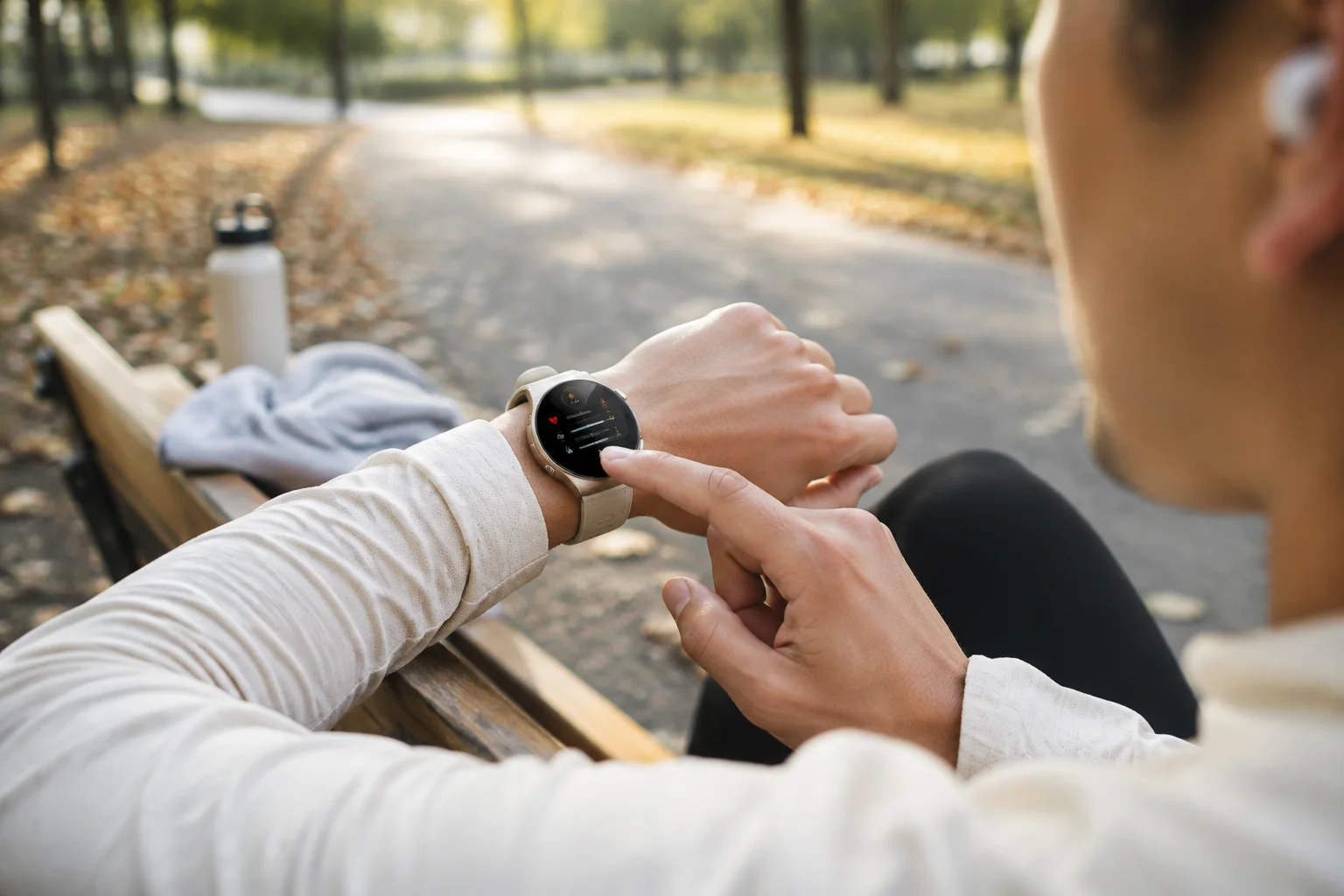
Distance is useful for walking, running, and cycling sessions because it pairs naturally with duration. Looking at both helps you understand whether you covered more ground because you trained longer or because the pace changed. Steps offer a broader view of movement across the day, including activity outside a formal workout.
Neither number needs to become a daily contest. A practical method is to compare like with like: the same route, a similar session length, or the same day of the week. If your distance rises while the effort still feels manageable, that may support a gradual progression. If your overall steps climb sharply, that extra movement belongs in the context of your next workout.
Metric Three: Heart Rate Helps Describe Effort
Heart rate can add a useful layer to duration and distance. The W8 Ultra-R records heart rate during activity and provides heart-rate trend views. Rather than treating one value as a verdict, use it to describe how your body responded during familiar sessions.
For example, compare heart rate on the same walking loop at a similar pace, or notice how it changes across easy and harder days. Wrist placement, movement, temperature, and the type of exercise can affect readings, so consistency matters. Wear the watch in a similar position, choose the correct activity mode, and focus on repeated patterns instead of tiny day-to-day differences.
Metric Four: Calories Are Best Used as an Estimate
Calorie figures can help compare the relative demand of your own sessions, but they are better regarded as estimates than exact accounting. Their most useful role is directional. A long bike ride will usually create a different workload record from a short walk, and that contrast can help you see how your week is distributed.
Avoid building an entire training or food plan around one calorie number. Pair the estimate with duration, distance, heart rate, and your own sense of effort. When several signals point in the same direction, the record becomes easier to interpret.
Metric Five: Sleep Patterns Can Inform Recovery Choices
The W8 Ultra-R automatically logs total sleep and sleep stages through its three-axis sleep tracking. For recovery planning, the most practical starting point is total sleep across several nights. Stage information can provide extra context, but it should not overshadow the simple question of whether your sleep schedule is reasonably consistent.
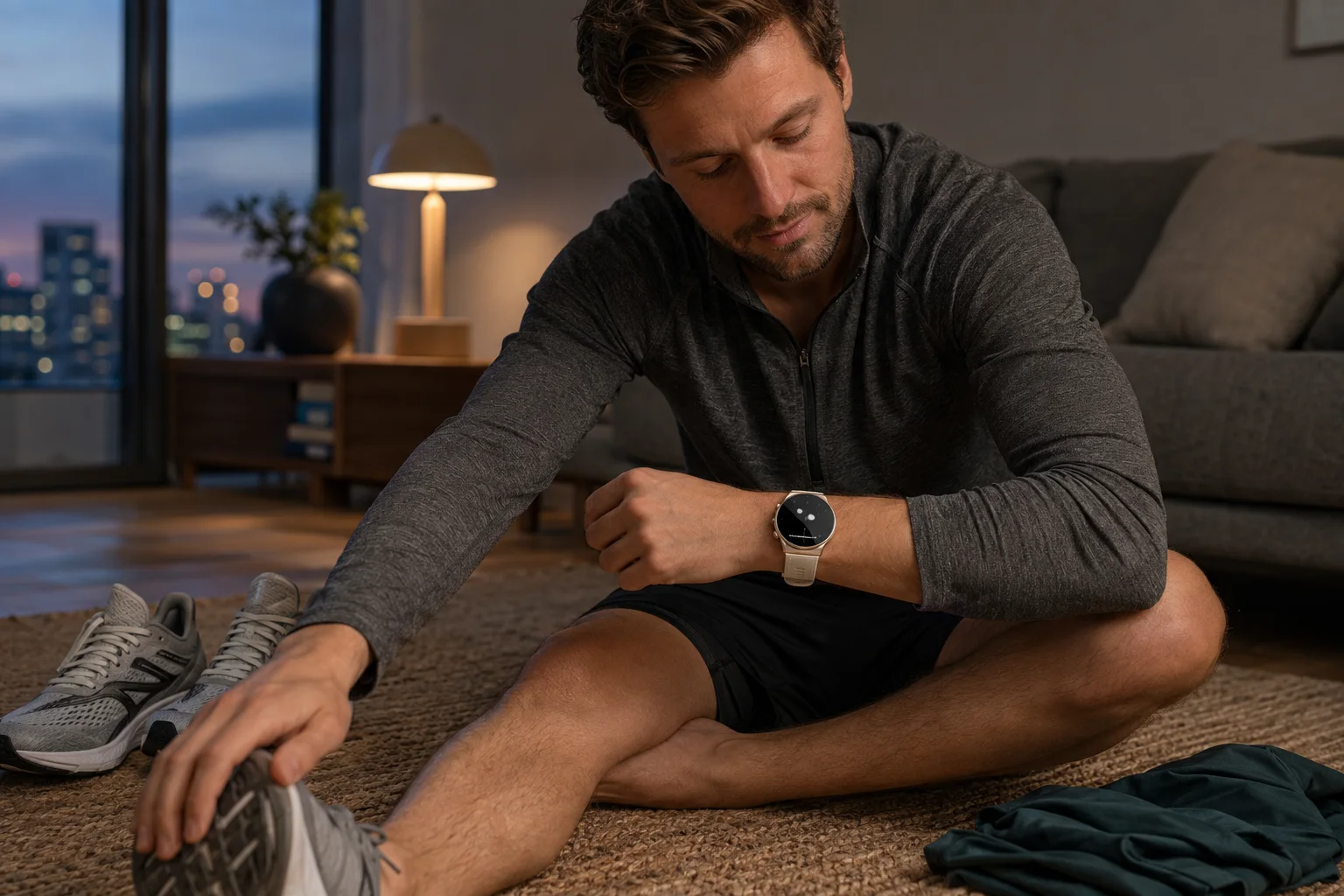
Try a seven-day view. Note your training duration and effort alongside your sleep record. If a shorter or disrupted night lines up with low energy, you might choose an easier session, reduce the duration, or move the demanding workout to another day. This is a planning habit, not a score to obey. Your schedule, travel, and how you feel still matter.
A Simple Weekly Review That Takes Five Minutes
Once a week, review four questions:
- How many planned sessions did I complete, and for how long?
- Did distance, steps, or total training time rise sharply?
- How did heart rate and perceived effort compare on similar sessions?
- Was my sleep timing and total sleep reasonably consistent?
Then make one adjustment. You might keep the plan unchanged, add a few minutes to an easy session, or place a lighter day after a demanding block. One small decision is more actionable than trying to optimize every chart at once.
The W8 Ultra-R supports this routine with a 1.56-inch 480 × 480 AMOLED curved display, more than 150 sports modes, IP67 water resistance, and a typical-use expectation of up to seven days. Its integrated air-cushion band and curved form are designed for everyday wear, helping the same device move between workouts, daily activity, and nighttime tracking.
Use Fewer Metrics, More Consistently
The best wearable setup is not the one with the most alerts. It is the one you can understand and use. Start with duration, add distance or steps for context, use heart rate to describe effort, regard calories as an estimate, and review sleep patterns when planning recovery.
Wearable technology may lead the fitness conversation in 2026, but useful progress still comes from consistent choices. Let the SAYDIAN W8 Ultra-R organize the record, then use that record to make one clear decision at a time.
Explore the SAYDIAN W8 Ultra-R and build a simpler weekly workout-and-recovery review.